Expert Roofing Services: Repair, Installation, Replacement, and Maintenance Solutions
Skilled roofing services are crucial for preserving the security and integrity of a home. Correct installation, prompt repairs, and strategic replacements can greatly extend a roof's lifespan. Homeowners frequently ignore the significance of regular maintenance, which can stop pricey problems down the line. Comprehending the nuances of roofing services can assist homeowners. Yet, many are unsure of how to pick the right approach for their specific needs.
Importance of a High-Quality Roof Installation
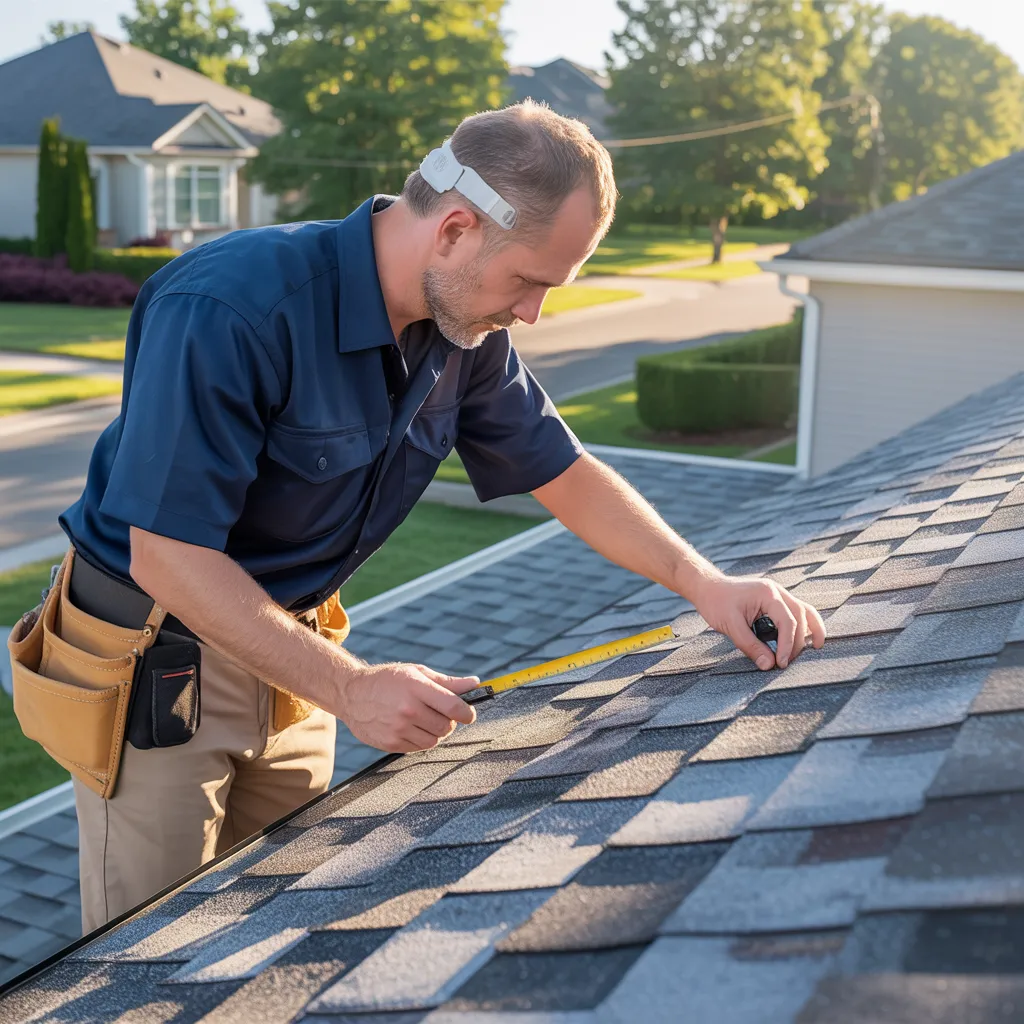
A correctly installed roof functions as the first line of defense against the elements, making the importance of quality roof installation essential. A roof shields not only the structural integrity of a building but also the well-being and security of its occupants. Substandard installation can lead to mold growth, leaks, and water damage, which can compromise the building's foundation and lead to costly repairs. Additionally, a quality roof contributes to energy efficiency by providing adequate insulation, decreasing heating and cooling costs. It enhances the overall aesthetic appeal and market value of the property, making it a smart investment. Furthermore, a professionally installed roof adheres to local building codes and standards, providing safety and reliability. Homeowners should prioritize hiring skilled roofing contractors who understand the complexities of various roofing materials and techniques, as this can greatly affect the longevity and performance of the roof. Ultimately, a sound installation establishes the foundation for long-term protection and peace of mind.
Common Roof Repairs with their Solutions
Many roofing problems can develop over time, requiring timely repairs to maintain the integrity of a home. Common troubles include leaks, missing or damaged shingles, and sagging roofs. Leaks typically result from worn-out flashing or compromised shingles, calling for immediate attention to avert water damage. Homeowners may need to replace missing shingles or repair damaged ones to maintain a watertight seal.
A common problem is the accumulation of debris in gutters, which can result in water pooling and consequent roof damage. Regular cleaning and maintenance can mitigate this risk. Additionally, sagging roofs can signal structural problems, demanding a professional evaluation to establish the underlying cause and appropriate solution.
Finally, handling these frequent roofing repairs swiftly not only maintains the property's structural integrity but also prolongs the longevity of the roof, providing peace of mind to homeowners.
When to Consider a Roof Replacement
How does a homeowner know if their roof needs replacement? Various factors can indicate when roof replacement is necessary. Primarily, the age of the roof matters considerably; most roofs have a lifespan of 20 to 30 years based on the materials used. When a roof nears or surpasses this age range, homeowners should think about replacement.
Furthermore, noticeable deterioration like curling, lost shingles, or significant granule loss signals deterioration. Property owners should also check for water leaks or water stains throughout the home, as these can suggest underlying issues.
One more consideration is the roof's structural integrity; sagging or uneven surfaces may point to serious problems that necessitate a complete replacement. Moreover, if repairs become frequent and costly, investing in a new roof may be more economical in the long run.
In the end, consulting with a professional can offer clarity on whether a roof replacement is needed for ensuring safety and protection.
Regular Maintenance Practices for Long-Term Durability
Although numerous property owners might ignore their roofing systems until issues emerge, routine upkeep procedures are essential for extending a roof's longevity. Inspections should be conducted at least twice a year, emphasizing the discovery of potential concerns including check article lost shingles, splits, or evidence of water intrusion. Eliminating debris, like fallen leaves and twigs, from the roof and gutter system avoids water accumulation, which can lead to leaks and decay. Additionally, addressing minor repairs promptly can prevent more extensive damage and costly repairs in the future. Property owners should also examine appropriate air circulation, as inadequate airflow can lead to heat buildup and moisture, damaging the roof's overall condition. Ultimately, organizing expert assessments can deliver an in-depth analysis and professional advice suited to the individual roofing system. Implementing these regular maintenance practices guarantees a roof remains in prime condition, protecting the property from weather conditions and improving its total worth.
Selecting the Best Roofing Materials for Your House
When choosing roofing materials, homeowners must consider various factors such as climate, budget, and aesthetic preferences to achieve a durable and visually appealing choice. Different materials offer distinct advantages; for instance, asphalt shingles are cost-effective and suitable for various climates, while metal roofing delivers long-lasting performance and energy efficiency.
In areas susceptible to severe weather conditions, slate or tile are often favored for their robust nature and resistance to extreme conditions. Moreover, the architectural style of the home should guide material selection; traditional homes often work well with wood shakes or shingles, while modern designs may favor metal or flat roofing options.
Budgetary restrictions likewise fulfill an important purpose, as some materials require higher upfront costs but may offer savings in maintenance and energy bills in the long run. Ultimately, a careful approach to selecting materials guarantees that homeowners attain a balance between functionality and aesthetic appeal.
FAQ
How Long Will a Standard Roof Installation Take?
A standard roof installation usually takes 1-3 days, based on the roofing area, complexity, and weather conditions. Elements like the roofing materials used and crew experience also affect the total duration.
What Warranties Are Offered on Roofing Services?
Roofing warranties typically feature materials coverage ranging from two to five decades, and craftsmanship warranties that range from 1-10 years. Duration and coverage levels fluctuate by individual contractor and material type.
Can I Install a New Roof Over My Existing One?
A new roof can be installed over an existing one, as long as local building codes permit it and the structure can handle the additional weight. However, proper assessment and preparation are crucial for long-term durability.
What Are the Signs of a Roof That Needs Repair?
Signs of a roof needing repair include damaged or absent shingles, roof leaks, sections that sag, stains from water on ceilings, too many granules collecting in gutters, and visible mold or mildew. Immediate attention can prevent additional damage.
How Does Weather Impact Roofing Projects?
Weather patterns substantially influence roofing projects. Rainfall postpones installation, while extreme temperatures can affect the structural soundness of materials. Gusty weather poses safety challenges, and snow accumulation can hinder progress, demanding strategic planning and precise timing for proper implementation.